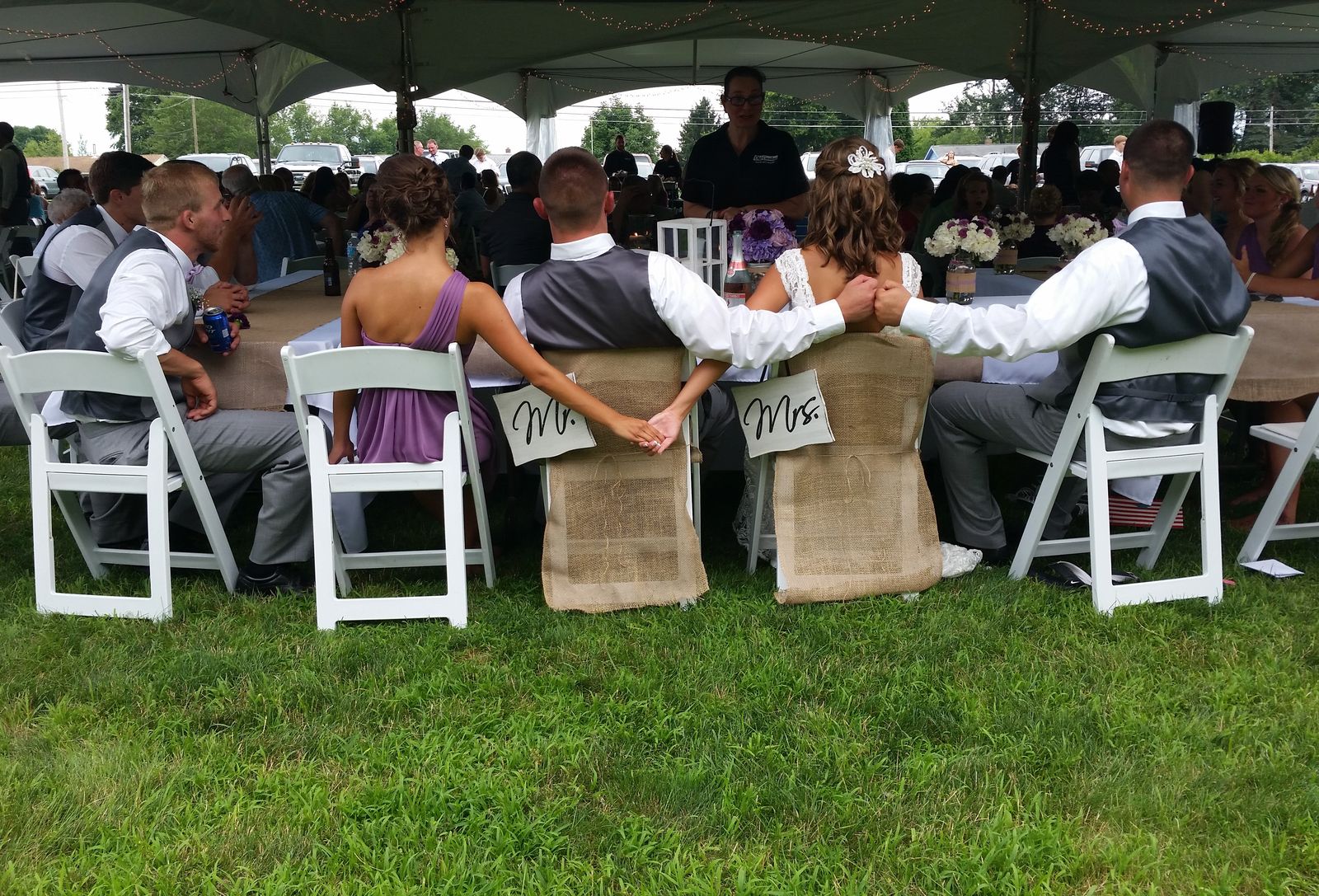
A good timeline is the backbone of a smooth wedding. It tells your vendors what happens when, gives your guests a natural rhythm, and makes sure you actually get to enjoy your own party. Below is a sample timeline for a typical evening wedding with the ceremony and reception at the same venue. It's based on the flow we've seen work at South Florida weddings since 1997. Adjust it to your venue, your traditions and your priorities.
The sample timeline
This example assumes a 5:30 PM ceremony and a reception ending around 11:00 PM.
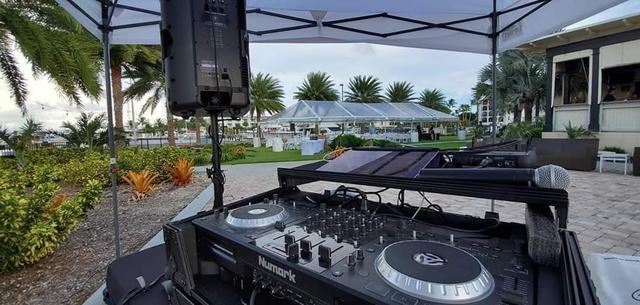
- 4:30 PM: DJ fully set up and sound-checked (we arrive well before this).
- 5:00 PM: Guests arrive; ceremony prelude music.
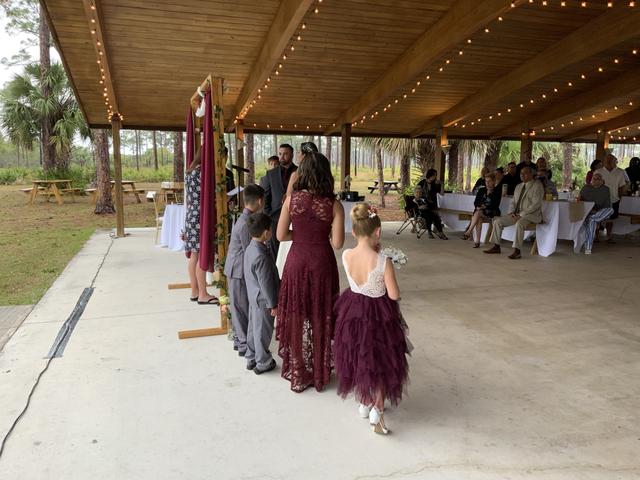
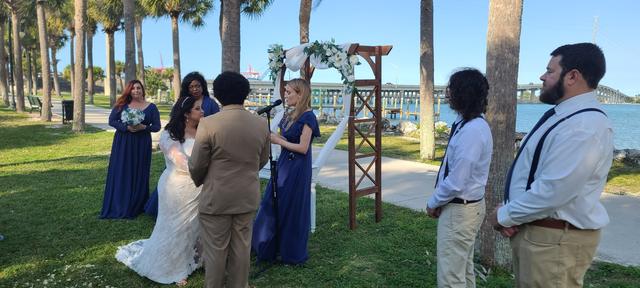
- 5:30 PM: Ceremony begins: processional, vows, recessional (20–30 minutes).
- 6:00 PM: Cocktail hour. Couple and family take photos.
- 7:00 PM: Guests invited into the reception and seated.
- 7:10 PM: Grand entrance of the wedding party and newlyweds.
- 7:15 PM: First dance.
- 7:20 PM: Welcome toast or blessing.
- 7:25 PM: Dinner service begins; dinner music.
- 8:00 PM: Toasts (maid of honor, best man, parents).
- 8:20 PM: Parent dances.
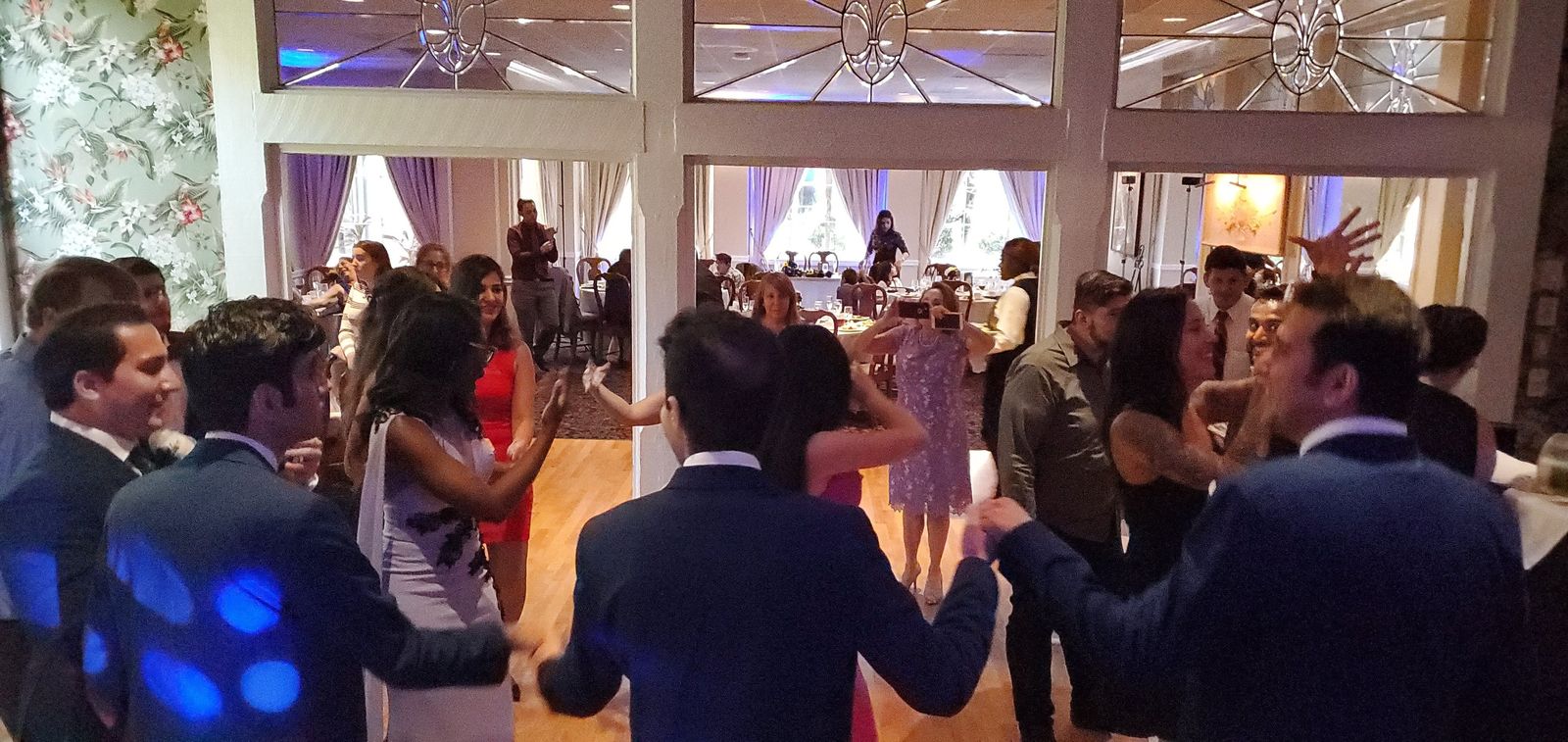
- 8:30 PM: Dance floor opens.
- 9:30 PM: Cake cutting, then back to dancing.
- 10:00 PM: Bouquet and garter, or an anniversary dance.
- 10:55 PM: Last dance.
- 11:00 PM: Send-off (sparklers, bubbles or a grand exit).
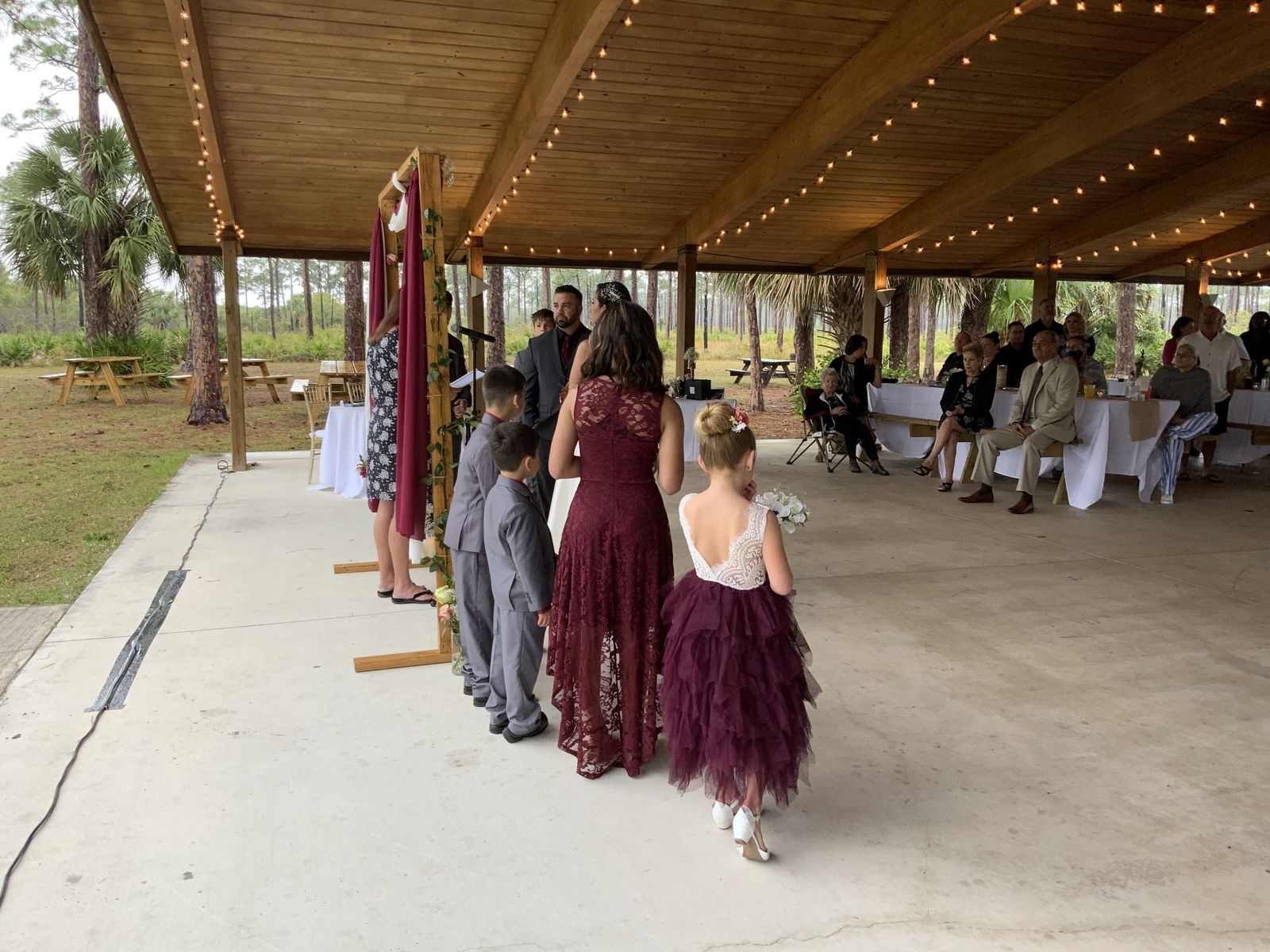
Why this order works
First dance right after the entrance. You're already in the spotlight, everyone's watching, and you get to enjoy dinner afterward without nerves. Many couples go straight from entrance to first dance.
Toasts during dinner. Guests are seated and attentive, and the speeches don't eat into dancing time. Some couples prefer toasts before the main course is served. Ask your caterer what suits their service.
Parent dances just before opening the floor. They create an emotional moment that flows naturally into "Now everyone join us!"
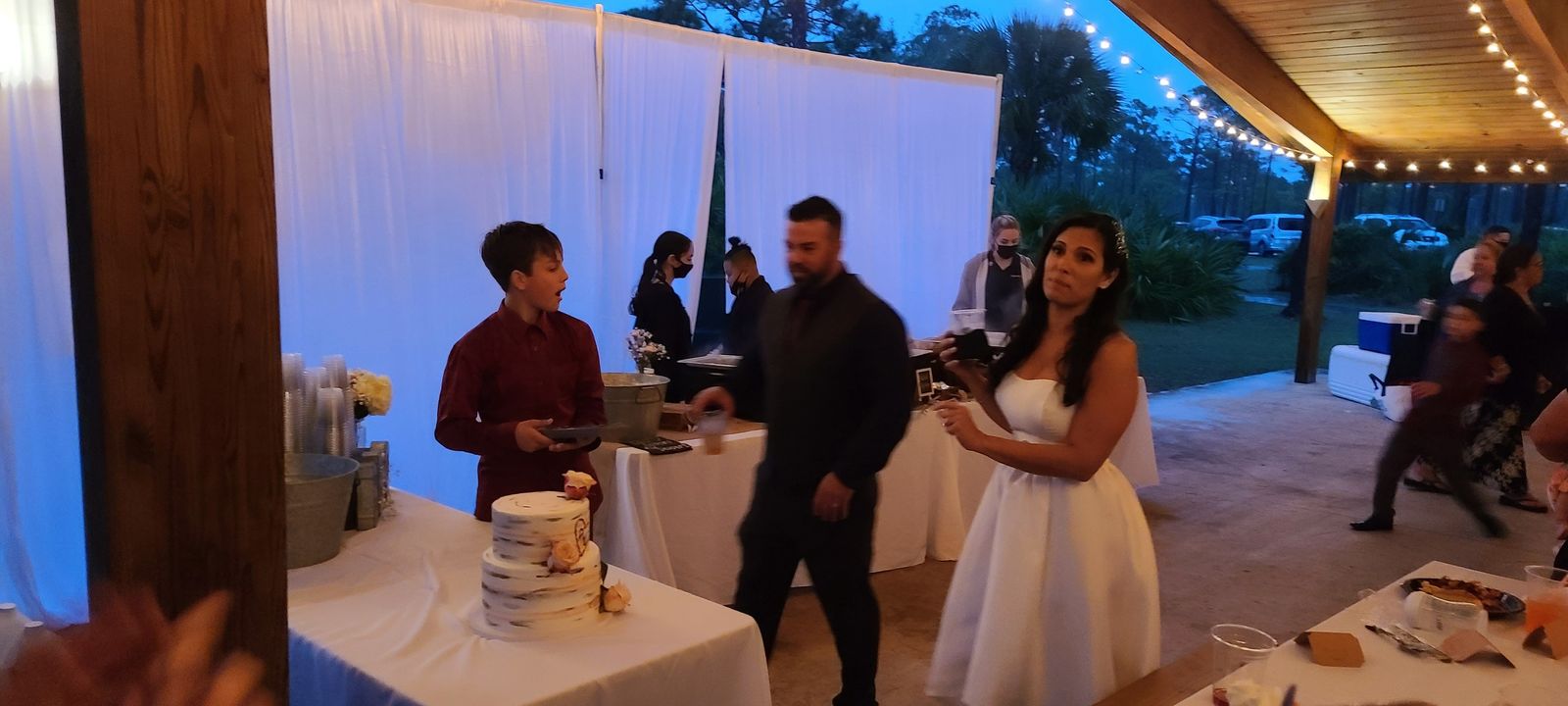
Cake cutting mid-party. It gives dancers a short breather and makes sure the photographer catches it while the room is full. Some couples cut the cake right after the entrance so the caterer can serve it as dessert. Both work.
Bouquet and garter late. These traditions get the best reaction when the crowd is warmed up, and they bring people back onto the floor for the final stretch.
Where to build buffers
The most common reasons timelines slip:
- Photos take longer than expected, especially family photos. Give yourself the full cocktail hour, and have a family member wrangling relatives.
- Moving guests between spaces. It always takes longer than you think. Allow 10–15 minutes.
- Long toasts. Ask speakers to aim for three to five minutes each, and limit the number of speakers.
- Traffic. In South Florida, if your ceremony and reception are at different venues, add generous drive-time buffers.
The DJ and MC adjust in real time when things slip. That's part of the job. But a realistic plan makes everyone's night calmer.
Ceremony and cocktail-hour music
If your DJ is also handling the ceremony, you'll need songs for the prelude, processional, entrance and recessional, plus a cocktail-hour mix. Our page on ceremony and cocktail-hour music explains how to choose them.
Cultural traditions
Your timeline may include traditions like a hora, a money dance, a tea ceremony, a lazo or a surprise family dance. Slot them where the energy fits: high-energy traditions are great right as the dance floor opens; quieter, symbolic ones fit near dinner. Tell your DJ in advance so music and announcements are ready.
Shorter receptions
With a four-hour reception, compress the formalities: entrance, first dance and welcome; toasts during dinner; parent dances and cake in quick succession; then dance. The key is to protect at least two solid hours of open dance floor.
Share it with your vendors
Send your final timeline to your DJ, photographer, videographer, venue coordinator and caterer about two weeks before the wedding, along with a list of names (with pronunciations) for introductions and toasts. Your DJ should go through it with you in detail. It's a standard part of our wedding DJ planning.
A shorter four-hour version
Not every reception runs five hours. If your venue gives you four hours from the start of cocktail hour, here's a compressed version that keeps the key moments:
- 6:00 PM – Cocktail hour begins
- 6:50 PM – Guests seated; wedding party lines up
- 7:00 PM – Grand entrance straight into the first dance
- 7:10 PM – Welcome or blessing; dinner service begins
- 7:45 PM – Toasts during the end of dinner
- 8:00 PM – Parent dances; open dancing
- 8:45 PM – Cake cutting
- 8:55 PM – Dancing continues
- 9:50 PM – Last dance and send-off
The trade-off is a shorter dance set, so keep traditions tight. You can also cut cocktail hour to 45 minutes, or combine the bouquet and garter toss into one quick moment. If you'd like a timeline built around your venue's hours, we'll help you put it together.
More planning help
Want help building your timeline? Call or text (561) 464-7203 or request a quote.